The True Impact of Online Reviews on Your Business

Cory Mosley
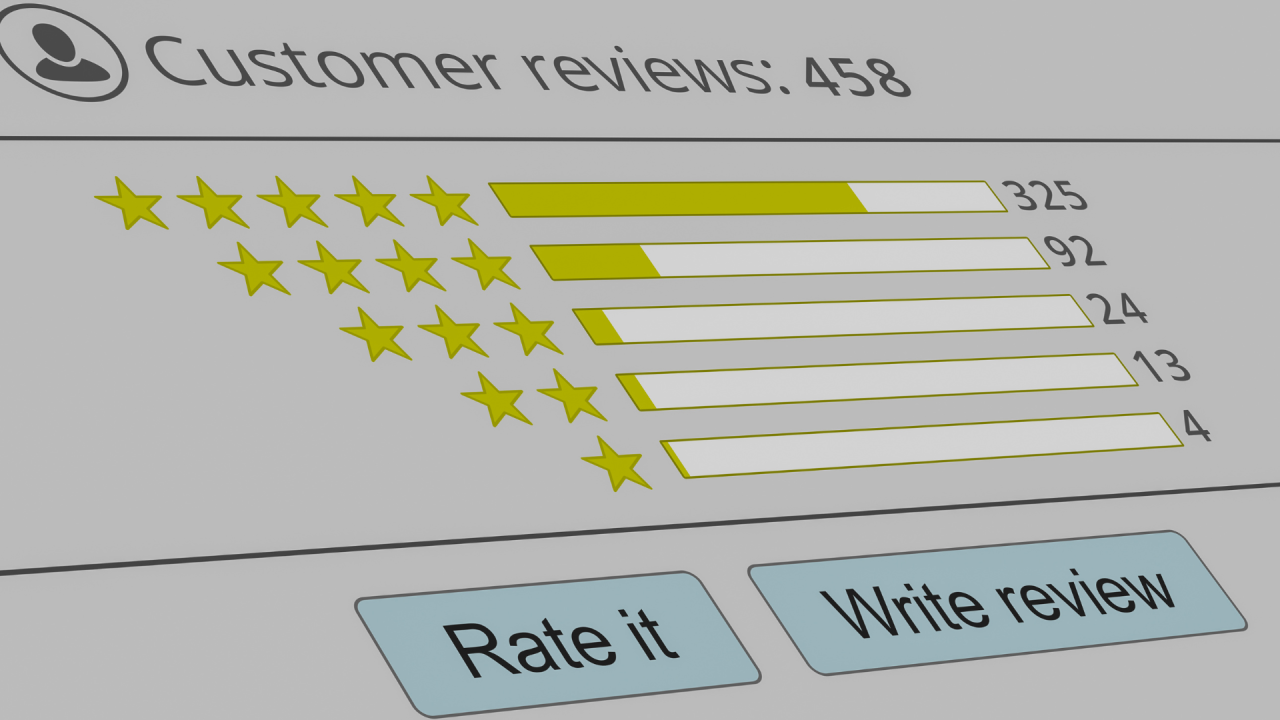
In today’s digital landscape, every click, like, and review significantly influences your brand’s reputation. Understanding and managing your online presence has never been more crucial. Consumer opinions, expressed through online reviews, can make or break a business. Let’s explore how to harness the power of feedback, navigate potential pitfalls, and seize the opportunities it presents.

The Cost of Neglect

Receiving a glowing review feels great, while a negative one can be disheartening. However, the real risk lies in a pattern of unfavorable feedback, which can signal deeper issues or missed opportunities for improvement. A single negative review might be overlooked, but a series of them can alert potential customers to problems before they even engage with your brand. In a digital-first world, the stakes are high, and first impressions matter more than ever.

Beyond the Surface: Digging Deeper

Consumer perception is crucial, especially in a competitive market. Sometimes, it’s not the product or service itself that deters customers, but the overall experience surrounding it. For instance, if customers are turned away by factors unrelated to the product, like a confusing website or poor customer service, they might never experience the true quality you offer. Assess the entire customer journey to identify and address areas where friction can be reduced.

The Hidden Stats: What You Can’t See

While you may track various analytics and performance metrics, consider the unseen statistics—potential customers who slip away due to negative reviews or a difficult online experience. These lost opportunities can be frustrating because they aren’t easily quantifiable. Enhancing your online presence and user experience can help capture these missed prospects and convert them into customers.

Strategies for Effective Review Management

To address the risks associated with negative reviews and online barriers, implement a comprehensive review management strategy. Here’s how:


  1. Embrace Transparency: Treat every review, positive or negative, as a chance to improve. Respond genuinely, acknowledge concerns, and outline steps taken to resolve them.
  2. Foster Accessibility: Continuously refine your website and digital properties to ensure they are user-friendly and accessible across devices. Remove obstacles that might deter potential customers.
  3. Regular Monitoring: Routinely review and assess consumer feedback using available tools and platforms to gain insights beyond the surface.
  4. Leverage Positive Feedback: Highlight and promote positive testimonials to enhance your company’s reputation and attract new customers.

The Cost of Inaction

Ignoring online reviews and neglecting your digital presence can silently drive away potential customers before you even realize it. This reality underscores the importance of addressing both visible and hidden aspects of your online interactions to prevent potential loss.

Key Takeaways

  • Focus on Feedback: Look beyond isolated criticism to identify broader issues that could be affecting customer perception.
    Enhance the Digital Experience: Recognize that barriers to discovering your product’s quality often lie in the customer experience and digital presentation.
    Address Unseen Statistics: Consider the impact of potential actions that never occur, guiding your improvements with a proactive approach.


Transform your approach to online reviews and digital engagement to unlock new opportunities and strengthen customer relationships. Embrace a mindset of continuous improvement and strategic foresight to rise above the digital noise.

Share Post

Similar Posts
By Cory Mosley February 18, 2026
In this episode of the Grow Business Podcast, Cory Mosley and Lon Graham unpack a truth most business owners learn the hard way: Strategic partnerships don’t fail because the idea was bad. They fail because the expectations were vague. And in 2026, vague is expensive. Everybody wants to “collaborate.” Everybody wants to “get in front of your audience.” Everybody wants to “partner.” But a partnership that isn’t tied to a clear business outcome isn’t strategy. It’s speculation. This conversation breaks down how to evaluate partnerships with the same discipline you’d use to evaluate a hire, an investment, or a market expansion—because that’s what partnerships are: a leverage play or a momentum killer. You don’t need more opportunities. You need better filters. In this episode: When to pursue partnerships: only with a clear growth objective A real partnership solves a specific growth problem. It accelerates revenue, expands reach, or builds credibility faster than you could do alone. If you can’t clearly define what it’s supposed to do for the business, it’s not strategic—it’s entertainment. And entertainment is expensive when you’re trying to grow. Defining success is the first principle of leadership Cory makes it plain: defining success is the number one principle for success in sales leadership . Because if you don’t define success, you can’t measure progress. And if you can’t measure progress, you can’t manage the partnership. Partnerships need KPIs, timelines, and a clear “win condition.” Otherwise you’re stuck in the most dangerous phrase in business: “Let’s just see what happens.” Avoid partnerships when roles, ownership, and control are vague Ambiguity feels friendly at the beginning. But it becomes expensive at the end. If decision-making authority isn’t defined, execution turns into friction. If ownership conversations keep getting avoided, the partnership becomes a slow-motion conflict you can see coming but don’t stop. And if you don’t talk about the exit before you start? You’ll eventually negotiate it while frustrated—and that’s when emotion gets expensive.
By Cory Mosley February 11, 2026
In this episode of the Grow Business Podcast, Cory Mosley and Lon Graham unpack a hard reality many business owners never see coming: success can become the most dangerous phase of growth . Not failure. Not competition. Not even the economy. The real threat in 2026 is believing that what made you successful will keep you successful. Markets don’t reward experience—they reward relevance . Customers don’t stop spending money in a down economy— who they spend it with changes . And your best year? That’s not a strategy. It’s a memory. This conversation is about identifying when confidence quietly turns into complacency, separating ego from execution, and redefining leadership for a faster, less forgiving market. If your business feels “stable” but not growing, this episode will challenge how you think about success. You don’t need to abandon your past wins. You need to stop letting them drive today’s decisions. In this episode: When confidence becomes complacency Past wins can create a false sense of immunity. Owners who’ve survived downturns often believe they’re untouchable—but ignoring early warning signs, dismissing new ideas, or saying “we’ve always done it this way” is how relevance erodes. Why your best year is not a growth plan Measuring performance against a past peak blinds you to current market conditions. Pricing, positioning, and buyer behavior have changed—and waiting for things to “go back” is how businesses stall out. The danger of tying your identity to the business When feedback feels personal, improvement stops. If your business can’t be questioned, it can’t be improved. Growth requires the ability to examine what’s broken without defending what’s familiar. Replacing ego-based decisions with evidence Instinct alone doesn’t scale. Customer behavior, retention, conversion, and attention matter more than opinions or legacy thinking. What worked before isn’t the question—what’s working now is. Redefining leadership for the 2026 market Leadership today isn’t about having all the answers. It’s about creating speed, clarity, and alignment—and building teams that challenge ideas instead of protecting egos. Winning leaders teach people how to think, not just what to do.
By Cory Mosley February 4, 2026
In this episode of the Grow Business Podcast, Cory Mosley and Lon Graham break down one of the most misunderstood drivers of small business growth: timing . Trends aren't just buzz—they're signals. The businesses winning market share today aren’t always the smartest. They’re the ones moving faster . Spotting early patterns. Acting before consensus. Testing before perfection. And turning ideas into offers before the crowd shows up. This conversation is about sharpening your awareness, upgrading your decisions, and taking proactive control of growth. If you’ve ever missed an opportunity because you waited “to see how it plays out,” this episode is your wake-up call. You don’t need to predict the future. You need to listen better , move quicker , and package smarter —starting now. In this episode: Why trend timing beats trend chasing If you're waiting on a report to confirm what your customers already told you, you're behind. Market share is captured in the gap between early awareness and mass adoption. How to build your “Trend Radar” Your next growth opportunity is already showing up—in customer complaints, requests, and unexpected purchases. You just haven’t systemized listening yet. The myth of going “all in” The best ideas don’t start as big bets. They start as small, fast experiments. 90-day sprints, soft rollouts, and test offers let you learn quicker and risk less. Turning trends into actual offers Buzz doesn’t convert—clarity does. It’s not about launching the next hot idea. It’s about simplifying decisions, selling the outcome, and showing how the trend helps your customer win. Why “consensus” is your enemy By the time everyone agrees a trend matters, the advantage is gone. Real leaders act on evidence, not certainty—and that’s where the edge lives.
More Posts